I’ve spent the last decade in the trenches of product marketing and growth, and if I had a dollar for every time a banking executive complained about their users comparing their transaction history to a Netflix binge, I’d have retired to a private island years ago.
Here is the truth you need to hear: Your user doesn’t care that you are a bank. They don't care about your regulatory hurdles, your legacy back-end infrastructure, or your 12-month roadmap. They care about their time, their dopamine levels, and the friction standing between them and their goals. When they open their phone, their mental model for "good" software is set by the apps they use for the other 14 hours of their day.
This is the era of "Liquid Expectations." Your benchmarks aren't just other regional banks; your benchmarks are the most addictive, frictionless, and responsive platforms on the planet. If you aren't playing by those rules, you aren't just losing engagement—you’re losing relevance.
The Death of Industry Silos
A few years ago, a report from the B2B News Network (B2BNN) highlighted a fundamental shift in how professionals view their digital tools. We stopped compartmentalizing our expectations. The same user who demands personalized, real-time feedback from a streaming platform now progression systems in non-gaming apps expects their wealth management dashboard to provide the same level of granular, predictive insight.
McKinsey Digital has long argued that the companies winning today are those that master the "experience economy." It’s no longer about whether your app functions; it’s about whether it provides a continuous interaction loop. In banking, we’ve historically focused on "security first, experience later." That is a losing strategy. Today, security must be invisible, and the experience must be the primary product.
If your app takes five seconds to load a balance summary, your user isn't just annoyed—they’ve already mentally checked out and opened Instagram. You didn't lose them to a better bank; you lost them to a better *user experience.*

"What Does the User Do Next?"
This is my mantra. If you can’t answer this question for every single screen, you have a design flaw.
When a user checks their balance, what comes next? If it’s a dead end, you’ve failed. A streaming platform handles this by queuing the next episode. Social media handles this by an infinite scroll. Banking apps often handle this by showing a static, boring number and forcing the user to close the app.
To compete with streaming and social giants, you need to create a chain of intent.
- The Hook: User opens the app to check a balance. The Insight: Show them a trend (e.g., "You’ve spent 15% less on dining out this month"). The Action: Prompt them to move that surplus into savings with one swipe.
If you aren't providing the "next step," you are essentially just a digital ledger. And users don't "engage" with ledgers; they just tolerate them.
The "Tiny Frictions" That Kill Retention
My running list of "tiny frictions" is the primary reason for churn. These are the things that engineers often call "edge cases" but users call "the reason I’m switching banks."
The Friction Why it’s a killer The Fix Forced Re-authentication Interrupts the flow before the value is delivered. Biometric deep-linking or "view-only" modes. Non-Responsive Layouts Looks broken, feels cheap. Native UI frameworks; prioritize load speed. Vague Transaction Labels Forces the user to "guess" what they bought. Logo enrichment and merchant categorization. Static Onboarding One-size-fits-all is a conversion killer. Segmented flows based on user behavior.Gamification: The MrQ Effect
People often recoil when I suggest gamification in fintech. They think it means turning their bank into a casino. That’s not what I’m talking about. Look at MrQ (the casino app). They understand that engagement is about feedback loops and rewarding small, frequent interactions.
In a gaming app, every interaction has a physical or visual reward—a haptic buzz, a confetti pop, a progress bar filling up. We can learn from this without being tacky. If a user sets a budget, give them a subtle visual indicator when they stay under it. Use progress bars to show them their journey toward a financial goal.
This isn't about gambling; it's about dopamine regulation. When your app gives the user a "win"—even a small one like staying within their weekly grocery budget—you create a positive feedback loop. That’s the mechanism behind every successful streaming platform's "You’re 80% through this movie" notification.
Responsiveness Isn't a "Nice-to-Have"
I hear too many product leads call responsiveness a "nice-to-have" once the core features are built. That’s a dangerous delusion. In a world of 5G and near-instant content delivery, your app’s performance is its primary brand attribute.
If your app lags, it signals to the user that your backend is archaic. If it doesn't render perfectly across different device screen ratios, it signals that you don't care about their personal mobile experience.
App experience benchmarks are rising every quarter. If your load time is above 1.5 seconds, you are losing 20-30% of your potential session depth before the user even sees their data. Stop optimizing for your own internal server constraints and start optimizing for the user’s thumb speed. Responsiveness is the baseline for trust. If the app feels fast, the bank feels smart.
Personalization: Moving Beyond "Hello [Name]"
Netflix doesn't just put your name at the top of the screen; it knows what you like. It provides a recommendation engine based on behavior. Banking apps usually treat personalization as a marketing variable, not a product feature.
True cross-industry UX implies that your app should be learning from user habits. If I regularly pay a utility bill on the 15th, why am I not getting a smart notification on the 14th asking if I want to automate it? Why isn't my dashboard prioritizing https://dibz.me/blog/the-psychology-of-retention-designing-rewards-that-actually-work-1169 the spending categories that actually matter to me?
Stop sending generic "check out our new credit card" push notifications. Start sending "You’ve hit your travel spending goal—here’s a summary of your trip costs" notifications. That is value. That is what keeps people coming back.
Conclusion: The Path Forward
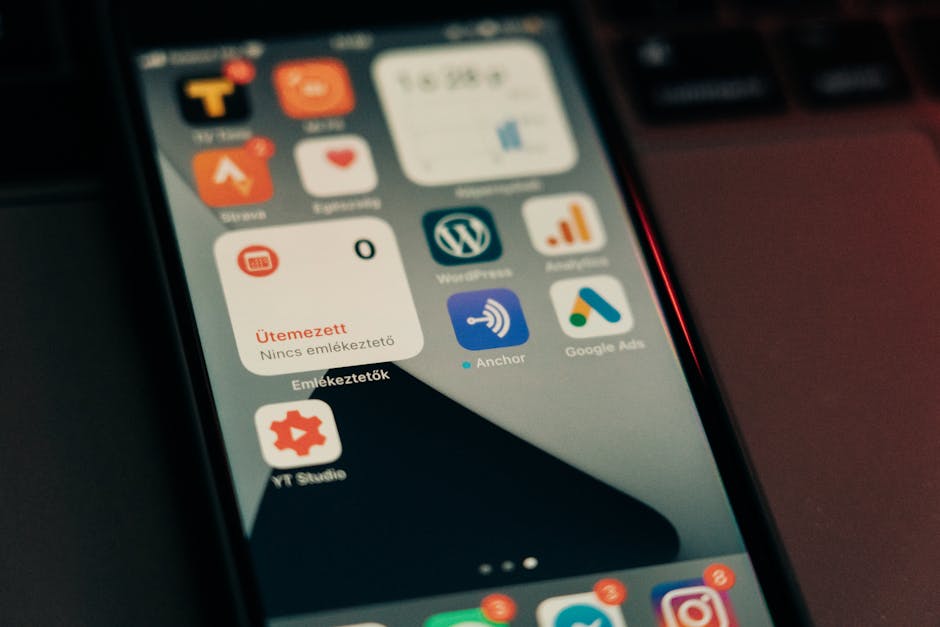
If you want to survive the next five years, you have to accept the reality that your competition is not other banks. Your competition is every other app on the user's home screen.
The transition from "Banking App" to "Financial Assistant" requires three things:
Kill the friction: Audit your app for every single micro-delay or unnecessary click. Design for the loop: Always answer "What does the user do next?" with a high-value action. Respect the user's time: If you aren't as fast and as personalized as a streaming app, you are essentially asking your users to endure an inferior experience.Stop worrying about what other banks are doing and start looking at how Netflix keeps users up until 2:00 AM. Study how the best mobile apps handle responsiveness. Take the principles of gamification from apps like MrQ and apply them to financial health. If you can bridge the gap between "transactional necessity" and "engaging daily habit," you won't just keep your users—you’ll win their screen time, and ultimately, their loyalty.